

Logo design
Original marks drawn by hand, tested small and in one colour, handed over with vector sources and a signed copyright transfer.

A pitch deck is a design problem before it is a content problem. Most decks fail because every slide competes for attention equally, so the one number that matters arrives with the same weight as the team photo.
Pitch deck design is the work of structuring an argument across slides and then designing each one so the argument lands. It covers slide architecture, data visualisation, typography and a reusable master template — not just applying a colour scheme to slides you already wrote.
The structural half is what buyers underestimate. A deck has a job: get a specific decision out of a specific room. That means each slide carries one idea, the sequence builds rather than lists, and the numbers that carry the case are designed to be seen from the back of a room or on a laptop in a browser tab among nine others.
The second half is that you will edit it without us. Investors ask for changes, the raise moves, the sales version needs different slides from the investor version. A deck handed over as flattened images is a deck you pay someone to change every time. Everything here ships editable, on a master template, so slide forty looks like slide four when you add it in six months.
What you receive
Fully editable in the software you actually present from, with the master template that keeps later slides consistent with the ones we drew.
PowerPoint, Keynote or Google Slides — named at the brief stage, because converting between them afterwards is where type reflows and alignment quietly breaks. The master template carries the type scale, the palette, the slide layouts and the chart styling, so a slide you add next quarter inherits the design instead of approximating it. Infographics and data visuals are drawn as native editable objects rather than pasted screenshots, which is what lets you correct a figure the morning of the meeting. Investor and sales variants are built as one system: the same visual language, a different sequence and a different ask.
Start a pitch decks projectThe brands underneath
A pitch deck is downstream of the brand, the same way animation is. When the mark, palette and type are already settled the deck has a system to draw on and costs less to design. These are client marks from the same studio — the groundwork a deck is built on.




Where the rules come from
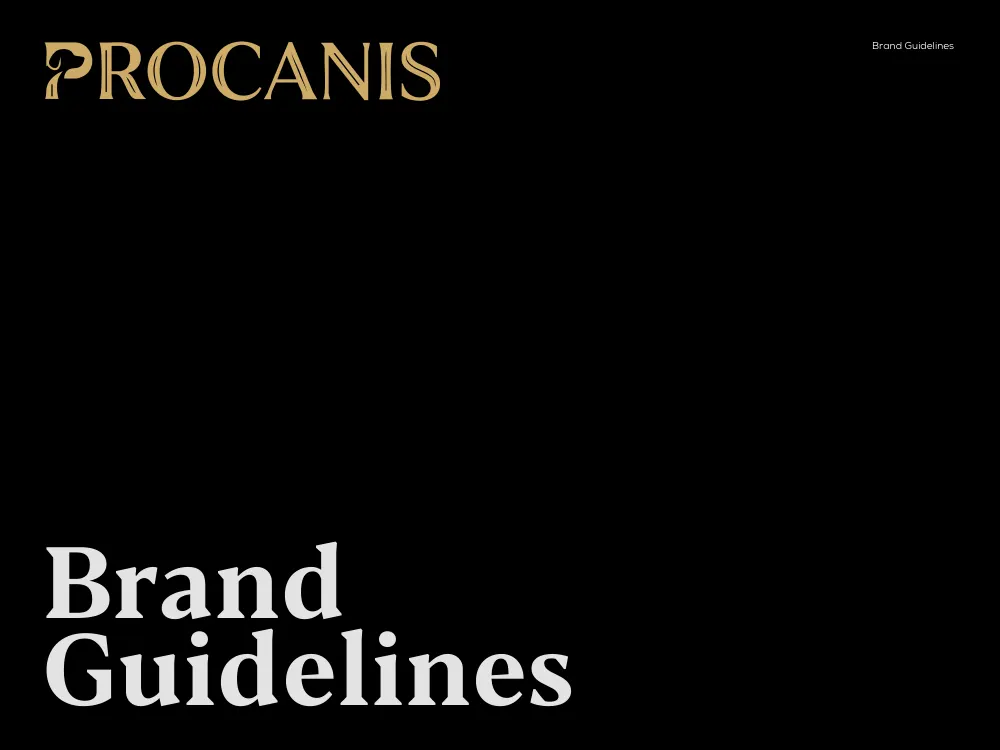
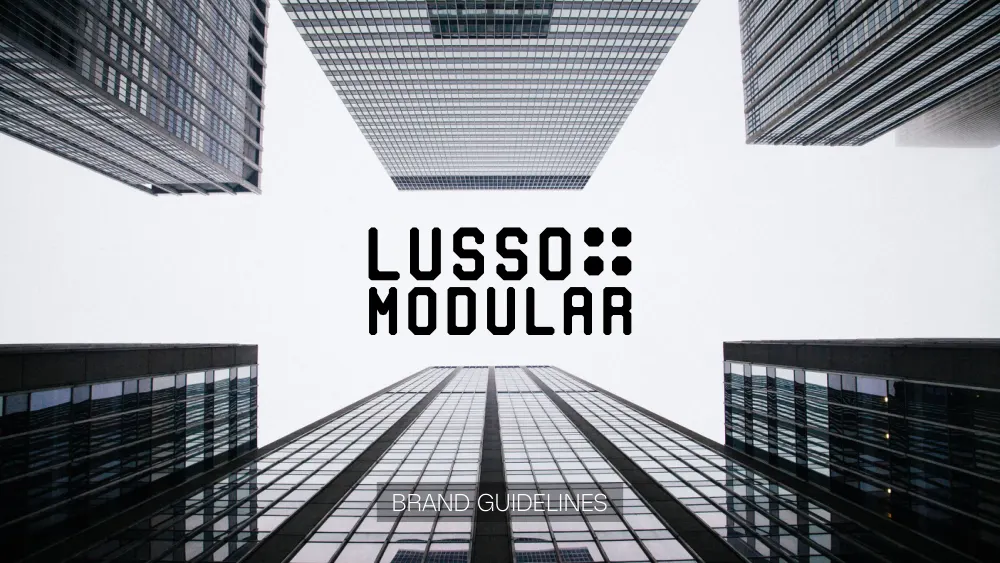
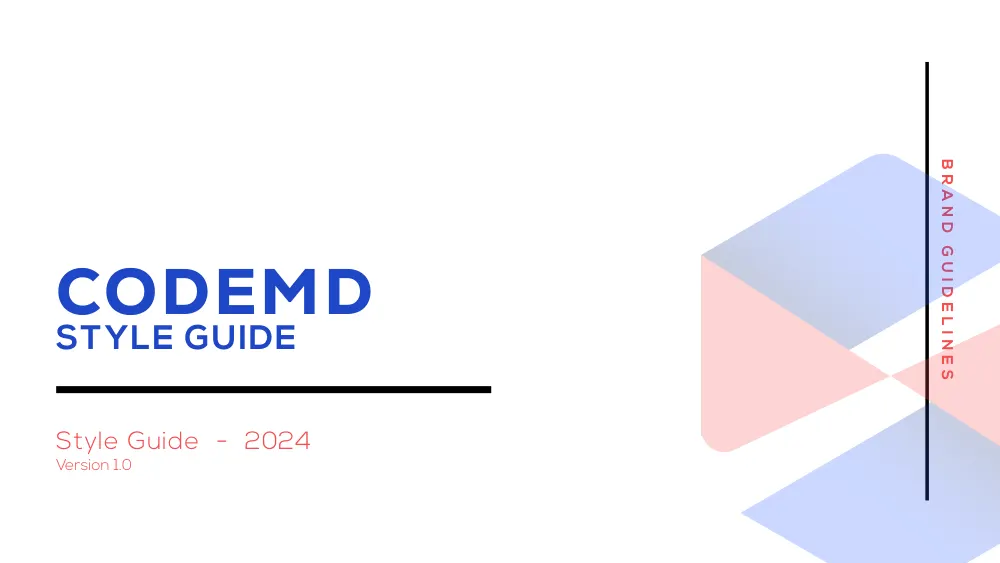
The master template in a deck does the same job as a guidelines document, at smaller scale: it decides the type scale, the chart styling and the slide layouts once, so every later slide obeys them. These are full guideline documents produced by the same studio.
How it runs
Five steps. The first two happen before anything is designed, and they are the ones that decide whether the deck works.
A seed raise, a Series A, a sales meeting and a conference talk are four different documents. The ask, the room and the decision you want out of it determine the sequence — so we establish those before a single slide is laid out.
The deck is planned as an order of ideas: what has to be believed by slide three for slide seven to land. This happens in outline, while it is still cheap to reorder. Designing slides first and arranging them afterwards is how decks end up as a list of topics rather than a case.
Each slide gets a single job and a visual hierarchy that makes the one thing on it unmissable. Numbers that carry the argument are drawn to be read at a glance rather than parsed from a table.
Type scale, palette, layouts and chart styling are set on the master, so the deck is a system rather than forty individually styled slides. This is the step that determines whether it survives your edits.
The file plus the template plus the icon and image library, in the format you present from. You get a deck you can change at 11pm before a meeting without calling anybody.
Fit
You are raising, selling into enterprise, or presenting somewhere the audience decides something afterwards. When a single meeting is worth many multiples of the design fee, a deck that loses the room on slide four is the expensive option.
Design cannot decide what your business does, what your numbers are, or what you are asking for. If those are still moving, a designed deck freezes an argument you have not finished making. Get the story straight first — then the design has something to carry.
Scope
Three adjacent things that are genuinely different work, so you know what you are buying.
We structure and design the argument you bring. We will tell you when a slide is not earning its place or when the sequence works against you — but the numbers, the strategy and the claims are yours, and they have to be true.
We design the charts; we do not build or audit the model behind them. Send the figures you want shown and we will make them legible. If a number is wrong in the spreadsheet it will be wrong, beautifully, on the slide.
This is a design studio. We produce the document you take into the room; who is in the room is not something we can influence, and anybody promising otherwise alongside a design fee is selling something else.
Questions
First draft in 24–36 hours from a complete brief, where complete means the content is written and the figures are final. From there it is normally a few days of revision. What extends it is content still being decided during design — which is why the structure step happens before anything is laid out.
The designed deck in PowerPoint, Keynote or Google Slides, a master template so later slides stay consistent, infographics and data visuals as editable objects, investor and sales variants, and an icon and image library. Plus the signed copyright assignment that comes with every project here.
That is the point of the master template. Everything ships as native editable objects in the software you chose — not flattened images — so you can change a figure, reorder slides or add new ones and have them inherit the design. A deck you have to pay someone to edit is a deck that goes stale.
No. We structure and design the argument you bring, and we will push back on a slide that is not earning its place. But the claims, the numbers and the strategy are yours. A designer inventing traction figures is a problem, not a service.
Whichever you will actually present and edit from. Tell us at the brief stage rather than converting afterwards: type reflows and alignment breaks in conversion, and fixing that costs more than building in the right format from the start.
Yes, and they are built as one system with different sequences. An investor deck argues that the business will be worth more later; a sales deck argues that a specific buyer has a problem you solve now. Same visual language, different order and a different ask.
Yes, in writing. The same signed copyright assignment applies to a deck as to a logo. <a href="/blog/who-owns-your-logo/">Who actually owns your logo</a> explains why paying an invoice is not the same thing as owning the work.
Send what you have — outline, rough slides or a document — and say what the deck is for. You get questions, a timeline and a quote back. Average reply time about an hour, no charge for the conversation.
Start your project