Logo design
Original marks drawn by hand, tested small and in one colour, handed over with vector sources and a signed copyright transfer.

The moment somebody who was not in the room has to use your brand — a printer, a developer, a franchisee, a new hire — the guidelines are the brand. Everything else is a memory that fades.
Brand guidelines are a designed document setting out exactly how your identity is used: which logo file goes where, how much clear space it needs around it, the precise colour values in every colour space a supplier might ask for, which typefaces are licensed for which medium, and what a correct application looks like sitting next to an incorrect one.
Brands very rarely fall apart dramatically. They drift. A supplier eyedroppers your colour out of a compressed JPEG and lands three shades off. Somebody stretches the logo to fill an awkward banner. A new starter picks the nearest free font because nobody ever told them which one you licensed. Six months later nothing quite matches, and not one person did anything they would recognise as wrong.
A guidelines document is the cheapest available insurance against that, because it moves the brand out of one designer's head and into a file you can simply send to people. It also pays for itself in briefing time: every question it answers is a question you would otherwise answer by email, individually, for as long as the brand exists. What belongs in a brand guidelines document covers the essentials against the padding.
What you receive
No login, no proprietary tool, nothing for a print shop to install. One file that opens on any machine, built to be forwarded to the people who will actually produce work with your brand on it.
11 guides we have produced are readable page by page on the work page — 299 pages in total, from a 7-page mini guide up to a 40-page system. Look through the range before deciding what you need. The right length is set by how many people will use the brand, not by how important the brand feels to you.
Start a brand guidelines projectLength
There is no correct length, only a correct fit. A document longer than its readership will actually use gets skimmed once and then ignored, which is worse than a short one people genuinely follow. These are the three sizes we build, and the brief decides which.
Logo, clear space, minimum sizes, colour values, type, and a handful of do-not examples. Right for a solo founder or a business where one or two people make everything. It exists so a printer never has to guess.
Adds the full set of logo variant rules, a secondary palette, a type hierarchy with real sizes, imagery direction and application pages. This is the size most brands actually need and the one we build most often.
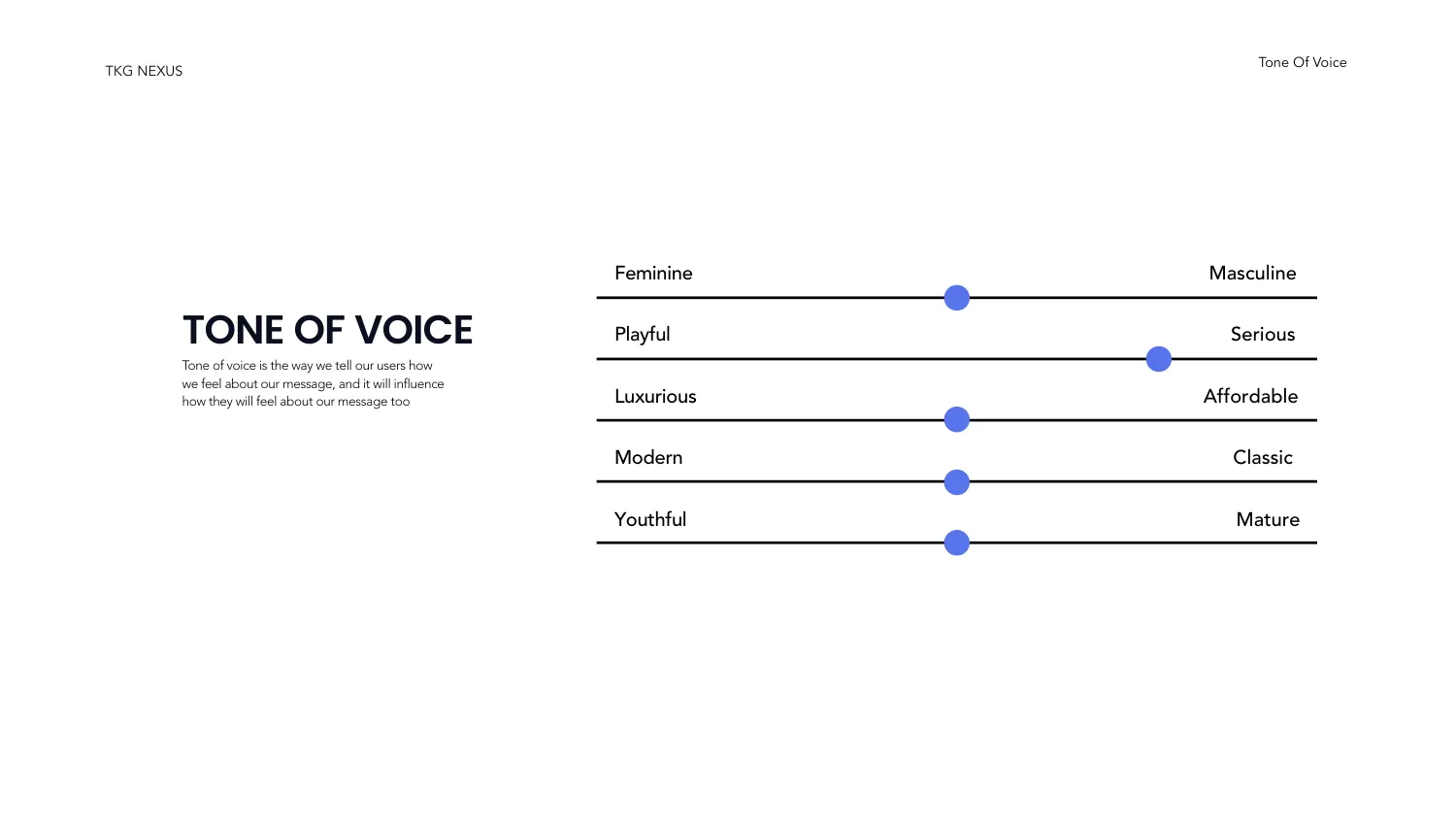
Adds tone of voice, iconography, layout grids, co-branding and partner rules, print specification and digital component notes. Right when several teams or outside agencies produce work in parallel and none of them talk to each other.
Inside a guide
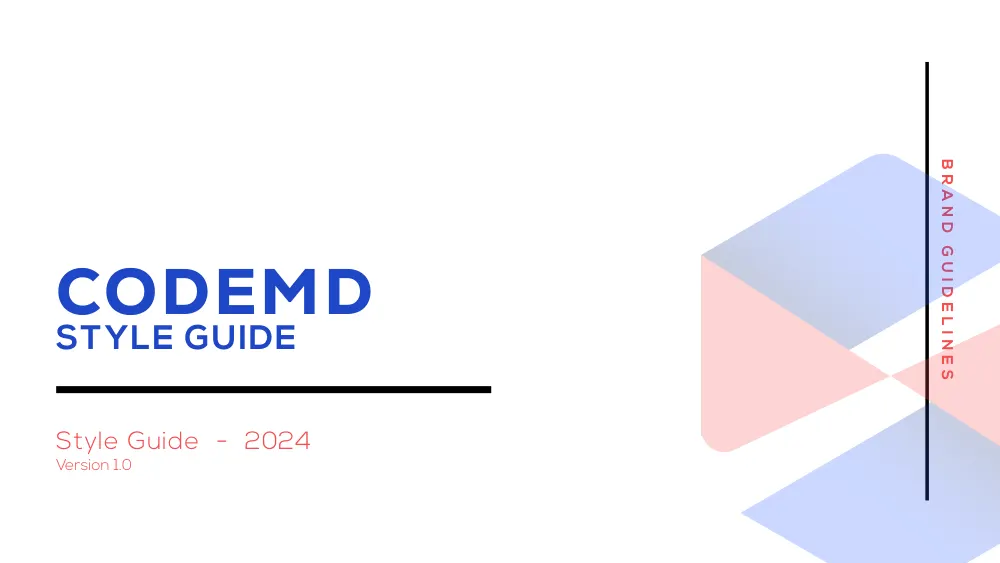
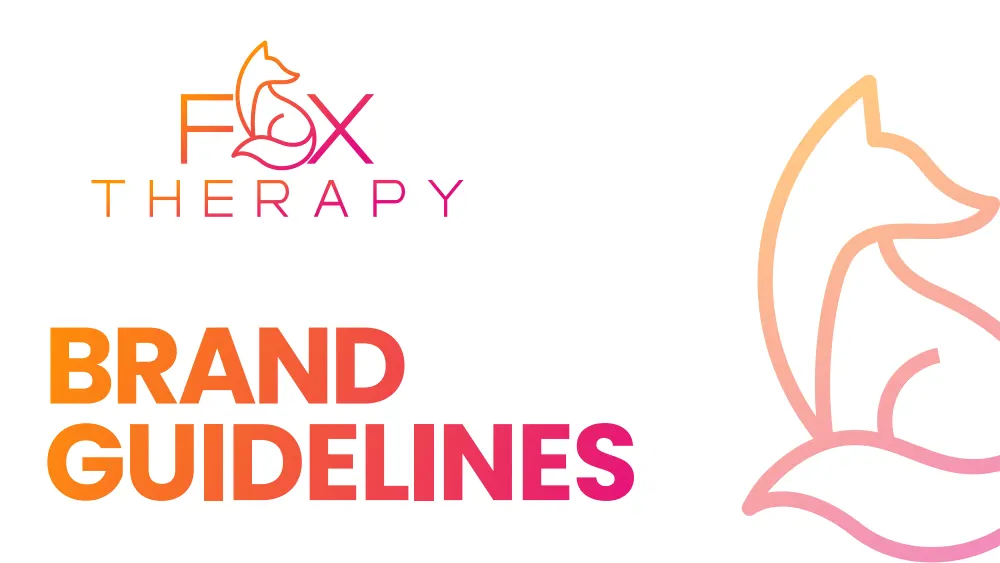
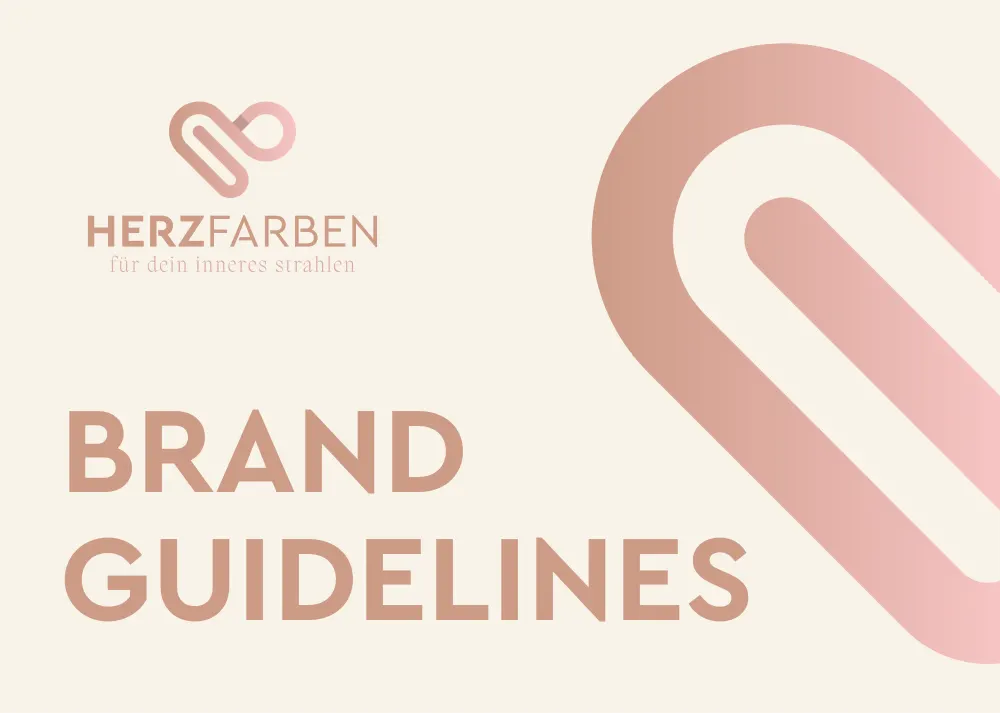
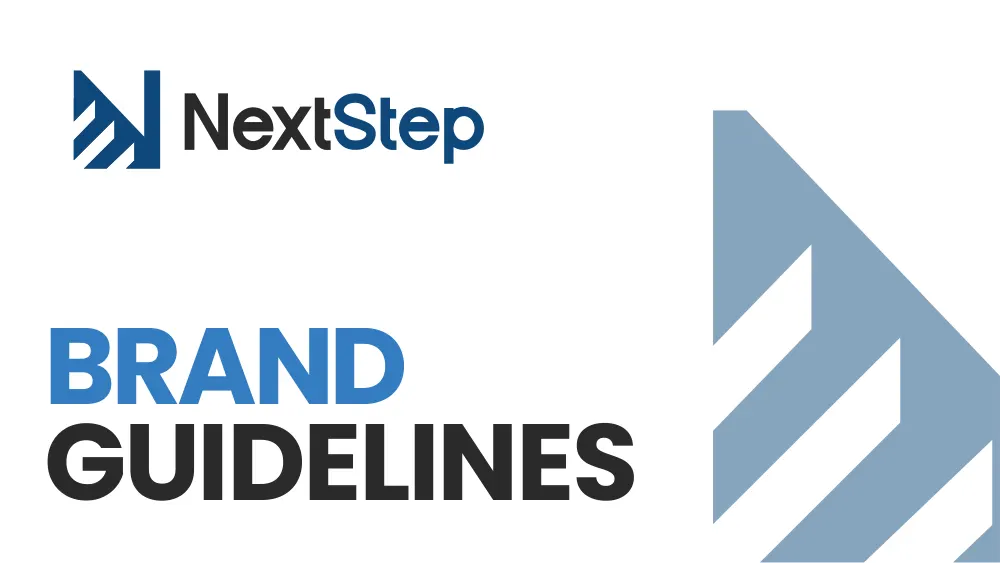
Six interior pages from the 40-page brand standards document. Colour values, type hierarchy and logo behaviour each shown applied to something real rather than described in the abstract — which is the difference between a document a supplier follows and one they skim.
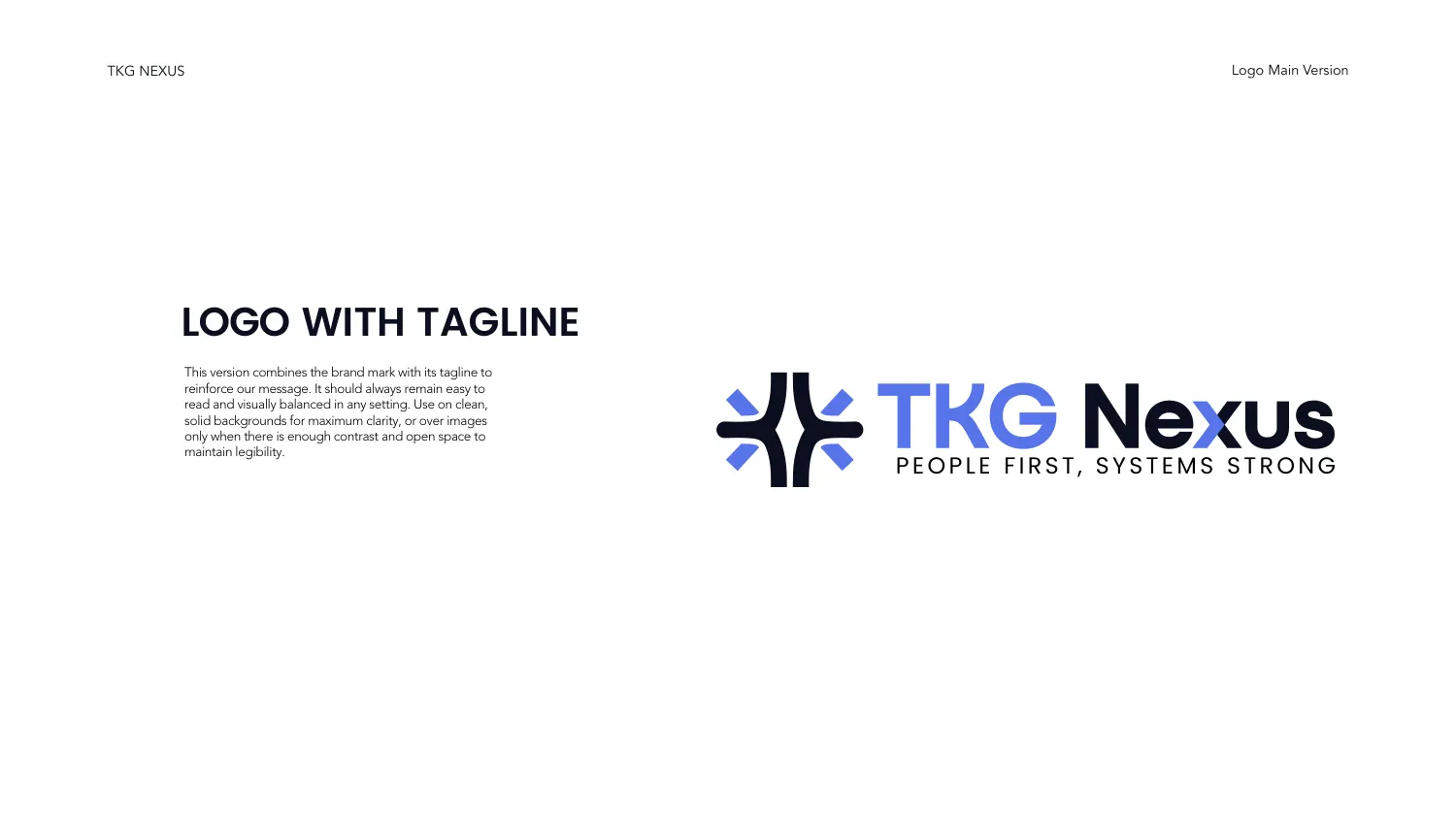
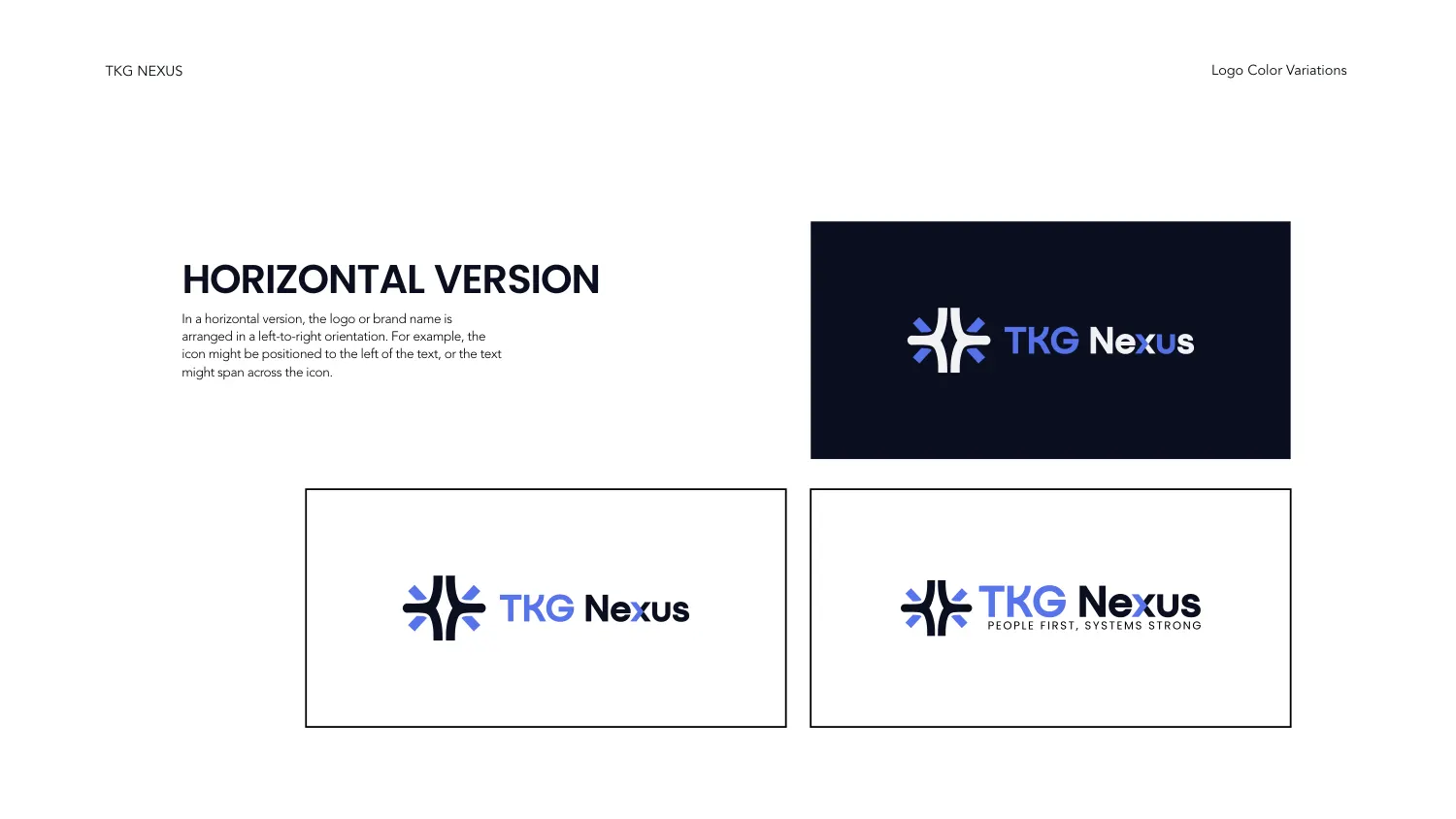
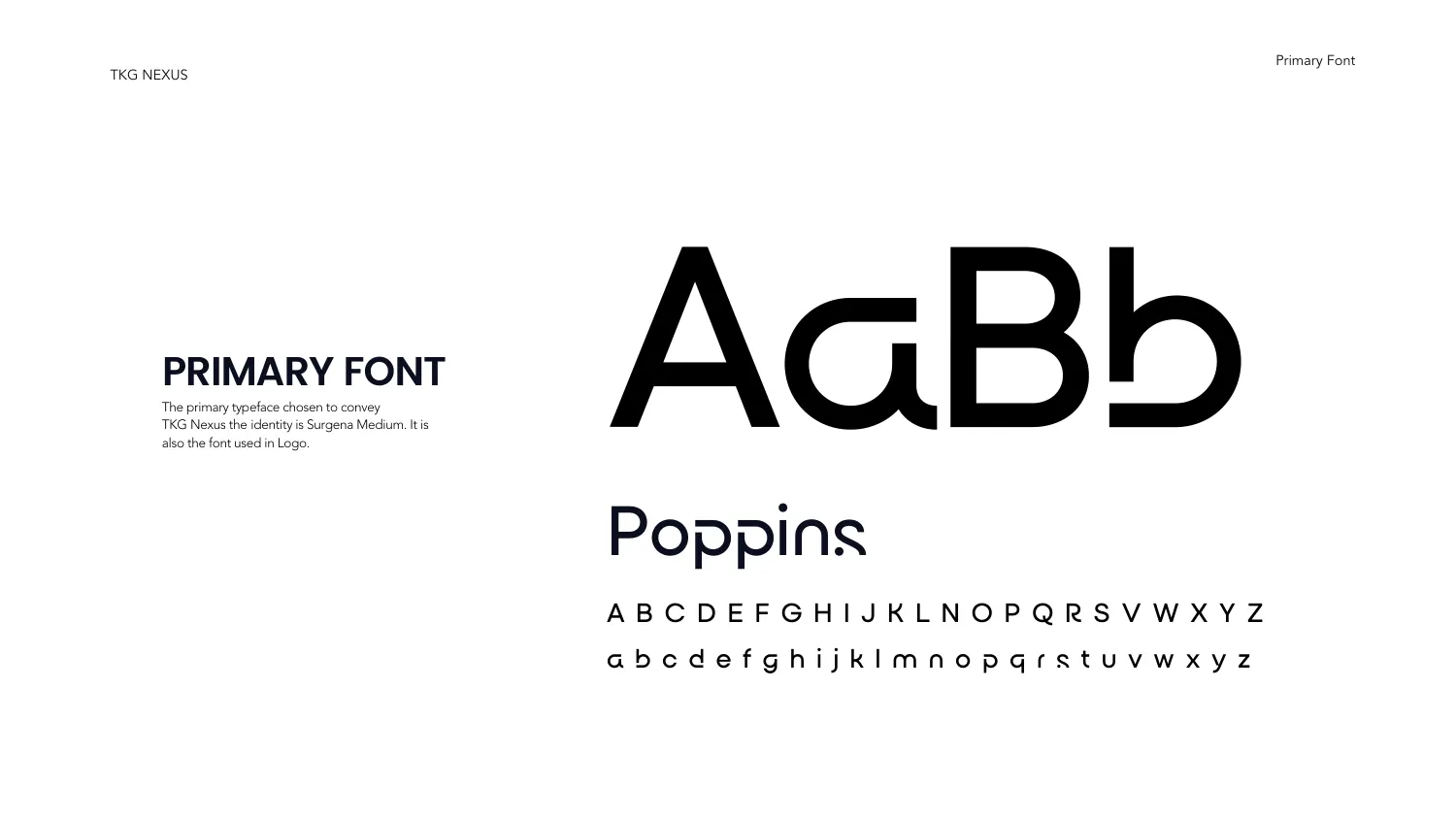
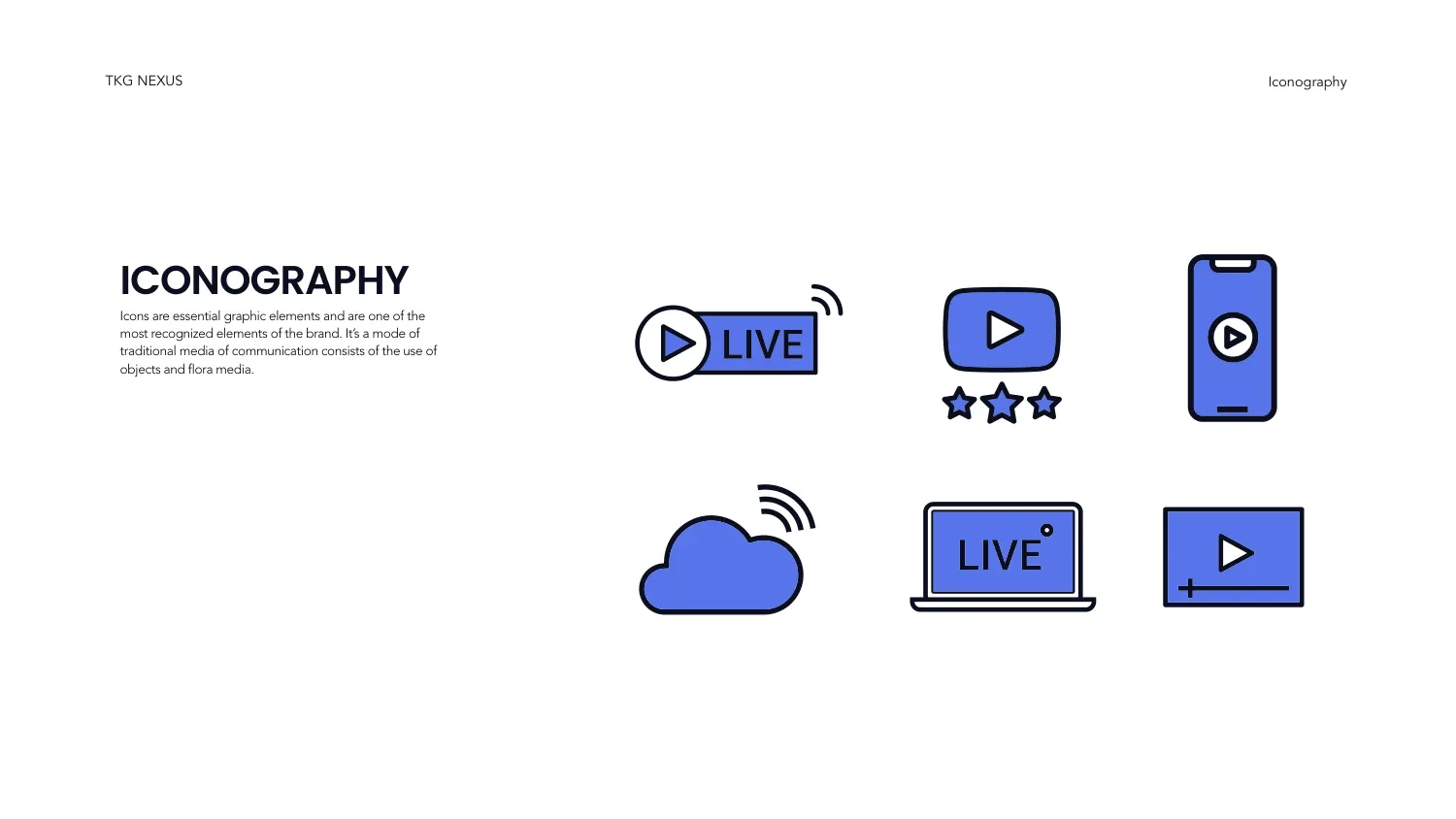
Where the rules land
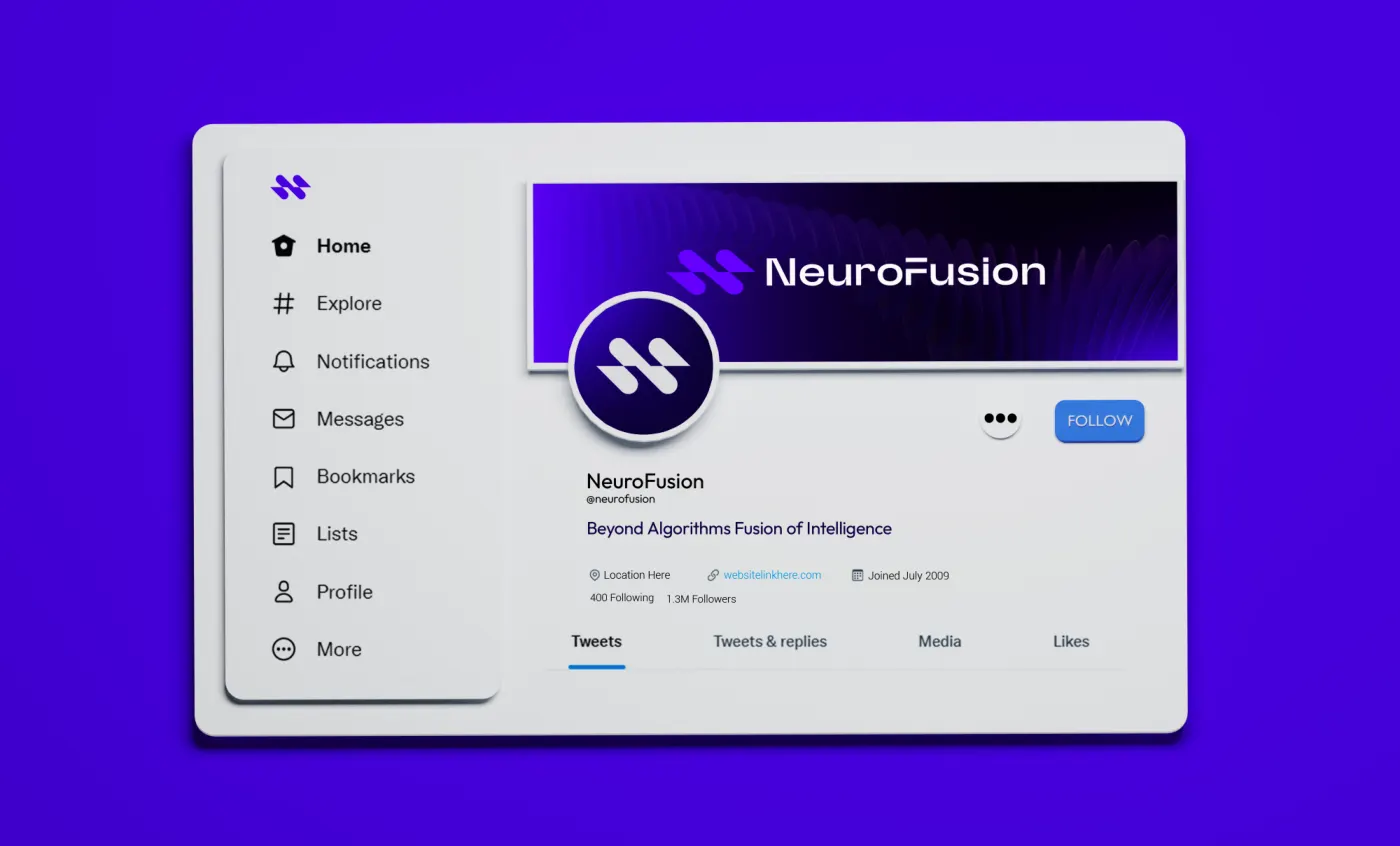
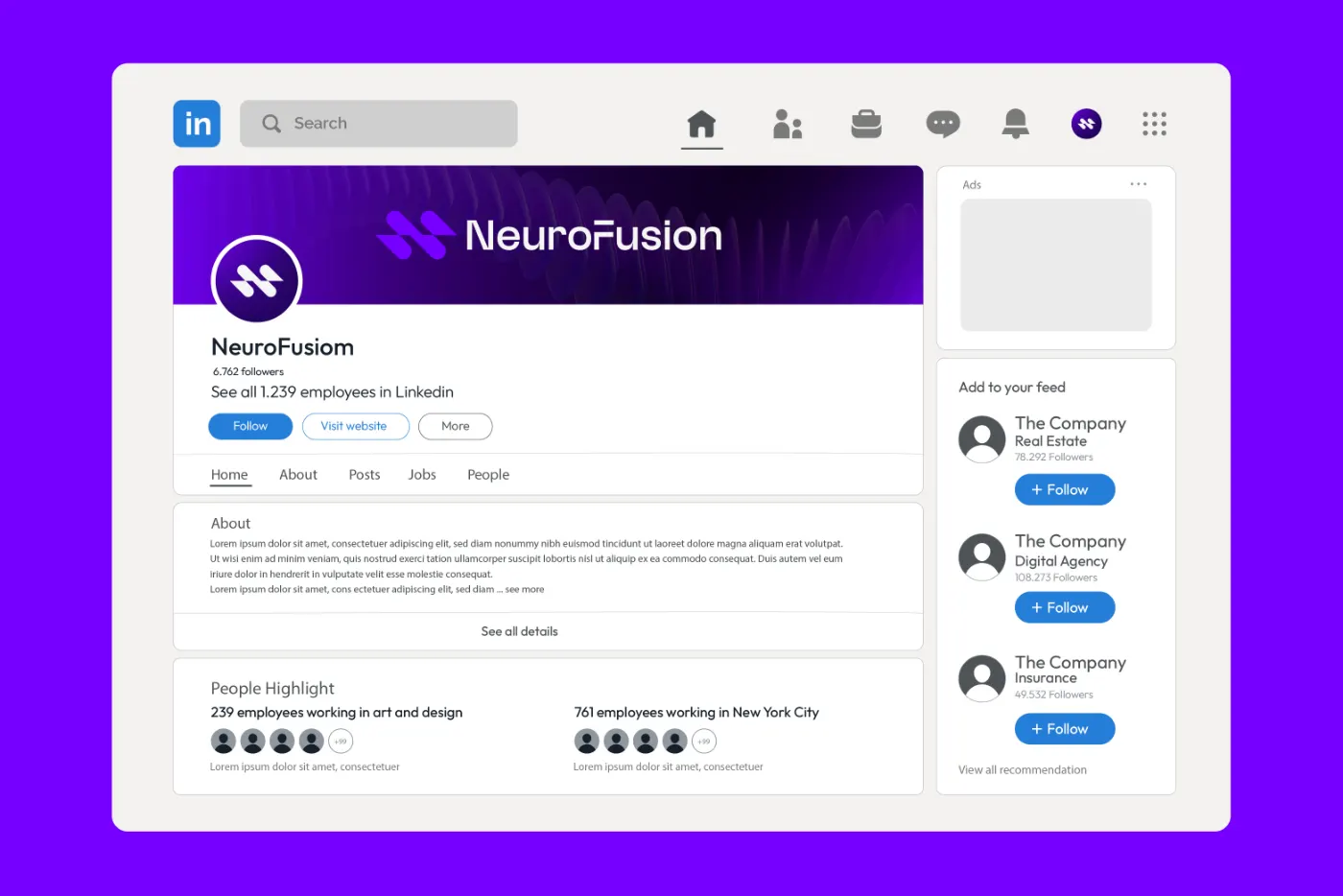
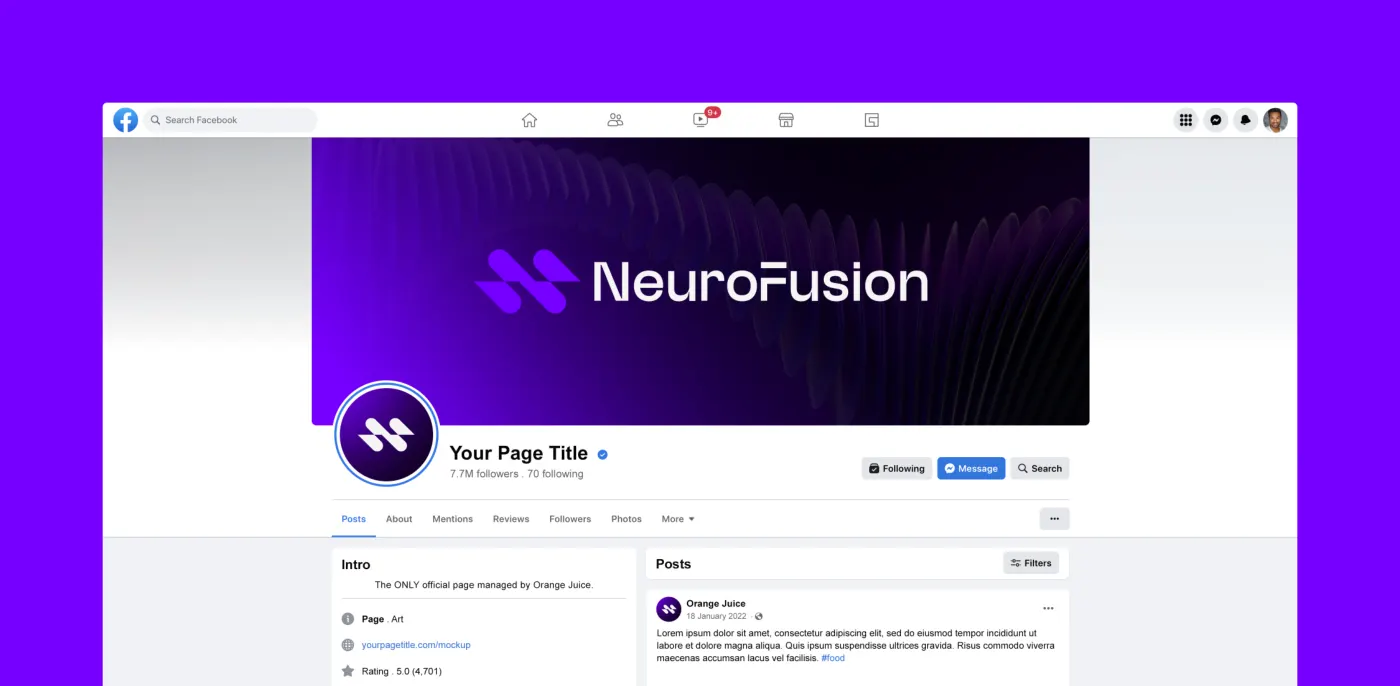
Social output is where guidelines are tested hardest, because it is high volume, made fast and usually made by whoever is free. A kit built from the document rather than from memory is what keeps a feed looking like one company. Social media kits are a separate service, governed by the guidelines the same way print is.
How it runs
A guidelines project is mostly decisions. The design is what makes the decisions stick.
Every file in circulation, every colour someone has used, every typeface that has crept in. On a rebrand this stage routinely turns up three versions of the logo and two different blues, all of them live at the same time.
A guidelines document that only describes what exists is worthless — it codifies the mess. Where there is a conflict we resolve it: one blue wins, one lockup becomes primary. The document records the decision, not the argument.
Clear space is derived from the mark's own geometry rather than a round number. Minimum sizes come from the small-size tests. The do-not page is built from mistakes we have watched people make with your specific mark, not a generic list of sins.
Worked examples on the things you will genuinely produce: stationery, signage, packaging, social, slides, invoices. An abstract rule gets ignored. The same rule shown applied gets copied, which is the entire mechanism.
Colours in HEX, RGB, CMYK and Pantone, because a screen, a digital press and a litho printer each need a different one. Typefaces named with the exact licence tier required — desktop, web, app — since that is the bill brands most often do not see coming.
You get the PDF plus the source on request. It carries a version number and a date, because a document that cannot be cleanly superseded is a document people quietly stop trusting.
Fit
A supplier, a franchisee, an incoming agency, a marketing hire, a marketplace listing team — anyone applying your brand without you standing over them. It is also what makes a rebrand actually stick: without a document, the old logo keeps reappearing for years.
Pre-launch with no finished identity, or a business where you personally make every single asset and always will. Guidelines describe a system, so there has to be a system first. Buy the identity, then document it — in that order, and usually in the same project.
Scope
Three things people reasonably expect to be inside one, which are separate pieces of work.
Positioning, audience research, naming and a messaging framework are their own discipline with their own deliverables. Guidelines govern how the brand looks and behaves; they do not decide what it stands for.
Component libraries, interaction states, spacing tokens and code are a product design job. A guidelines document can specify colour and type for digital use, but it is not a Figma library and it is not a front-end package.
We specify the fonts and tell you precisely which licence tier you need for each medium. Buying them is yours, and it matters: font licensing is charged per medium and per user, and it is the single most commonly missed cost in a brand budget.
Questions
As long as the number of people using it demands, and no longer. One founder producing everything alone needs about 7 pages. A franchise network with regional agencies needs 40. Length beyond actual use is not thoroughness — it is the reason a document gets skimmed once and never opened again.
Yes, provided you own it or hold the rights to it. We will need the vector source. If all you have is a JPEG or a PNG we will quote a redraw first, because clear-space and minimum-size rules cannot honestly be written against a raster file someone exported years ago.
On request, yes. Most clients only ever need the PDF, but if your team will maintain the document internally we hand over the source so you are not coming back to us to change a phone number or add one new sub-brand.
The specification pages are written for exactly that reader. Colours are given in CMYK and Pantone as well as HEX and RGB, and the print pages carry bleed, stock and finish notes in the language a print shop already uses. It is meant to be forwarded, not explained.
The document is numbered and dated, so it can be superseded cleanly. Small changes — a new sub-brand, an extra palette, a second typeface — are normally an amendment rather than a rewrite, and we quote them as an amendment.
Broadly, yes. Brand book, style guide, brand manual and brand standards all describe the same deliverable, and different industries prefer different names. What matters is not the label but whether it contains decisions a supplier can act on without ringing you.
On the top tier they do. On the others they are added afterwards, and they cost less than commissioning them cold because we already hold your originals and the rules are already in our heads — there is no discovery phase to pay for a second time.
Send the brief and you get questions, a timeline and a quote back. Average reply time about an hour, and no charge for the conversation.
Start your project